Apple goes public and pressures EU to repeal landmark Digital Markets Act
US tech giant Apple has formally asked the European Union (EU) to repeal the Digital Markets Act (DMA), its landmark digital competition law, saying that the legislation poses security risks and hurts consumers. Mostly, though, it hurts Apple’s business model.
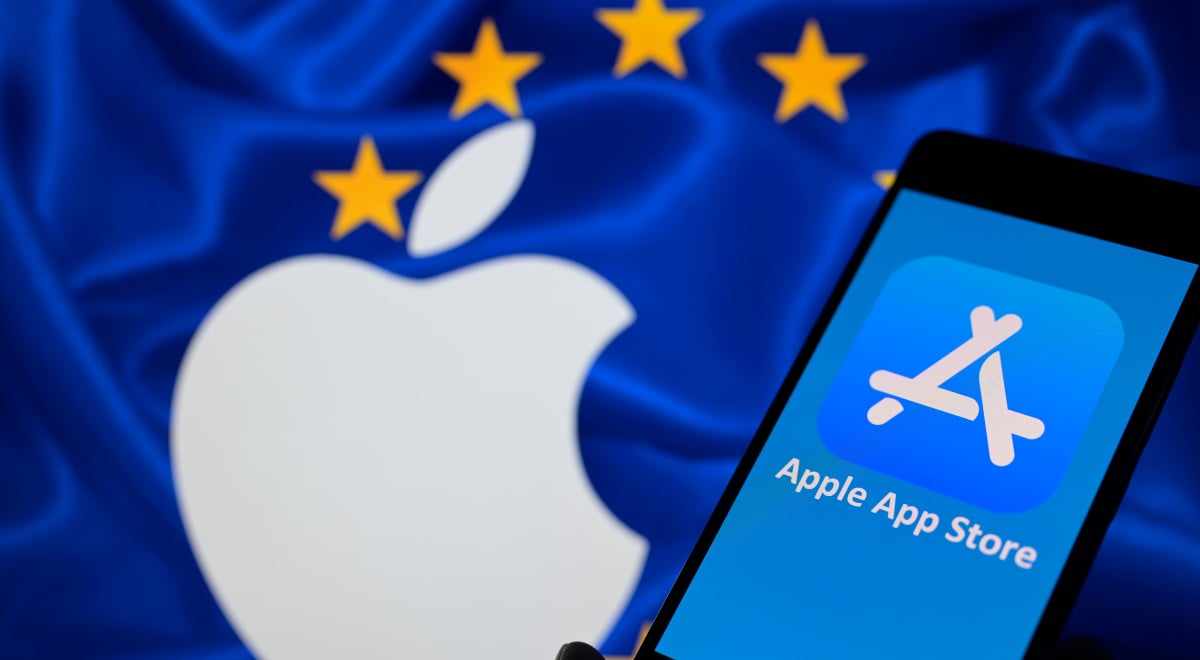
Image by Shutterstock.

 Follow us
US tech giant Apple has formally asked the European Union (EU) to repeal the Digital Markets Act (DMA), its landmark digital competition law, saying that the legislation poses security risks and hurts consumers. Mostly, though, it hurts Apple’s business model.
“The DMA should be repealed while a more appropriate fit for purpose legislative instrument is put in place,” Apple said in a formal submission to the European Commission as part of a consultation on the law.
At least to the visionaries inside Apple, it’s allegedly clear that the landmark digital competition law, designed to rein in the power of big tech firms, is leading to a worse experience for users.
“It's exposing them to new risks, and disrupting the simple, seamless way their Apple products work together,” said Apple.
The request comes as the European Commission reviews the DMA, marking its first evaluation of the act’s effectiveness and its capacity to respond to emerging technologies, including artificial intelligence. The commission had invited stakeholder feedback until September 24th.











The iPhone maker said that EU users are experiencing delays in new features and facing increased privacy and security risks due to the DMA.
“It's become clear that we can't solve every problem the DMA creates. Over time, it’s become clear that the DMA isn't helping markets. It's making it harder to do business in Europe,” the tech giant said in a blog post accompanying its submission.
The legislation indeed challenges Apple's closed ecosystem and tells big tech firms what they can and can’t do on their platforms. For example, companies must offer choice screens for web browsers and search engines to give users more options. Naturally, Apple hates it.
Brussels argues that the DMA and its requirements are necessary to level the playing field for Apple's rivals and avoid unfair market domination.
The company complained it had to delay features like Live Translation with AirPods, iPhone Mirroring, and location-based features in Maps, explaining: “According to the European Commission, under the DMA, it’s illegal for us to share these features with Apple users until we bring them to other companies’ products.”
Brussels argues that the DMA – the enforcement of which began in March 2024 – and its requirements are necessary to level the playing field for Apple's rivals and avoid unfair market domination.
A European Commission spokesperson said again on Wednesday that “gatekeepers, like Apple, must allow interoperability of third-party devices with their operating systems,” reaffirming that compliance under the DMA is an obligation, not a choice.
It remains to be seen how the situation will play out. Apple, just like other US big tech firms, is supported by the US government. President Donald Trump's administration has consistently criticized the DMA, most likely in return for support from tech leaders.
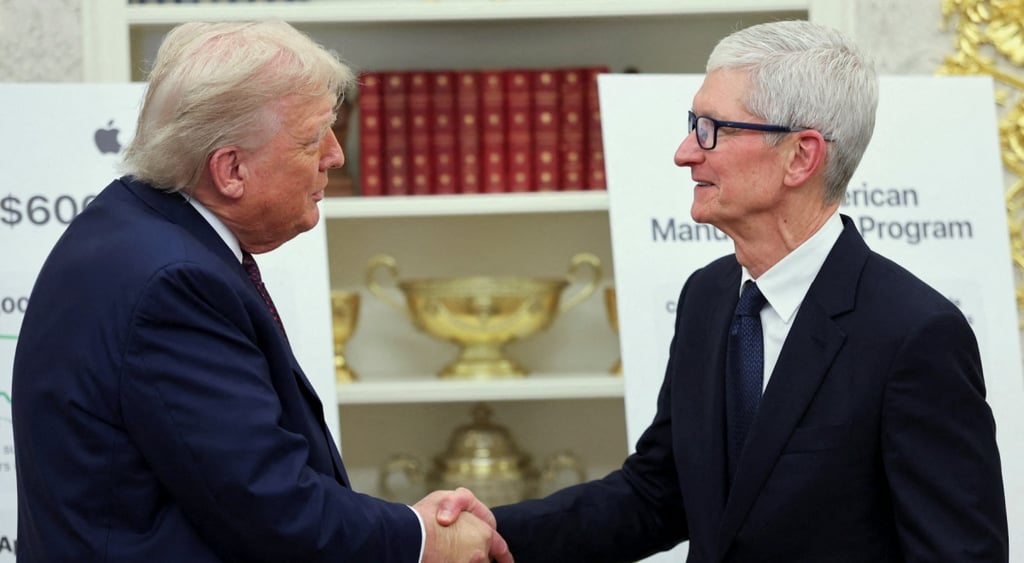
Apple chief Tim Cook has definitely moved closer to the White House since Trump’s return to power early this year, for instance.
According to Politico, Cook gave Trump a customized plaque with a 24-carat gold base in August, and at a White House dinner with tech executives earlier this month, Cook said “thank you” to the president nine times in two minutes.
Unlock more exclusive Cybernews content on YouTube.