Netflix publishes first generative AI guidelines: what do they say?
In the hope that things will be a lot clearer for its partners, Netflix has published new generative AI guidelines. It looks like using the tech is absolutely fine for the streamer – but the company needs to be told.

Image by Cybernews.

 Follow us
In the hope that things will be a lot clearer for its partners, Netflix has published new generative AI guidelines. It looks like using the tech is absolutely fine for the streamer – but the company needs to be told.
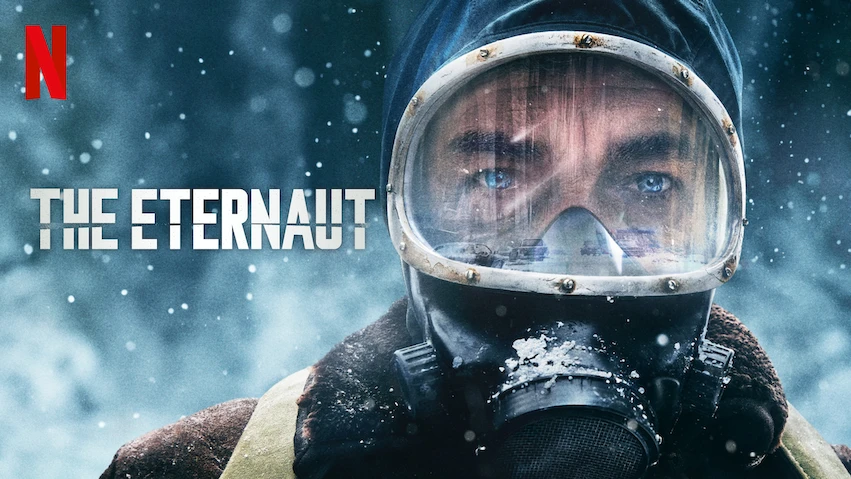
Last month, Netflix revealed it has used visual effects created by generative AI in one of its original shows for the first time. AI was used to make a building collapse in the Argentine sci-fi show The Eternaut.
Sure, it’s much cheaper than proper VFX but the use of generative AI is controversial in film-making over concerns that it creates content using others’ work without their consent (every AI model is trained on someone’s content) and fears that it will replace the work of humans.
Now, probably to allay fears in the industry, Netflix has published its new generative AI guidelines on the Partner Help Center, outlining low-risk and high-risk use cases for incorporating AI-powered tools or using completely AI-generated content in a piece of media hosted on Netflix.
Essentially, Netflix is fine with creators using AI – until it’s not. That depends on whether the use cases require legal review or not.







The document details what creators can do without explicit permission, what they need written consent for, and what is and is going to remain out of bounds for the foreseeable future.
“Most low-risk use cases that follow the guiding principles below are unlikely to require legal review. However, if the output includes final deliverables, talent likeness, personal data, or third-party IP, written approval will be required before you proceed,” says Netflix.
For instance, if AI helps the creator with a background element that’s not even alluded to in the scene, you’re probably going to be ok using the technology.
But generative AI should not be used to generate main characters, key visual elements, or fictional settings that are central to the story without written approval, Netflix explained.
You can’t use GenAI to generate a second killer doll to play the red light/green light game with Young-hee in Squid Game, for example.
The streaming giant’s priorities seemingly are to protect personal data and creative rights, comply with legal standards of traditional content, respect performers, and build audience trust.
However, Netflix also clearly acknowledges the ongoing concerns about AI from Hollywood unions. AI was among the key concerns raised during the famous strike in 2023, and some in the industry think using AI in film is plainly degrading to the craft.
According to some AI enthusiasts, this isn’t even about replacing artists – it’s about telling stories that mid-budget shows couldn’t afford to tell before.
That’s probably why the streamer is careful, urging creatives to ensure their work “does not replace or materially impact work typically done by union-represented individuals, including actors, writers, or crew members, without proper approvals or agreements.”
In May 2024, Ted Sarandos, the Netflix co-CEO, said he thinks AI won’t eliminate creative jobs in Hollywood – but it certainly gives advantages to people who use the technology over those who do not.
Plus, according to some AI enthusiasts, this isn’t even about replacing artists – it’s about telling stories that mid-budget shows couldn’t afford to tell before.