We stubbornly hate paywalls for our news: might there be a better way?
Years ago, online news publishers chose subscriptions as a way to survive. A recent Pew survey found that they’re not working, unfortunately, apart from the largest and most reputable outlets. Is there a third way?
Image by Cybernews.

 Follow us
Years ago, online news publishers chose subscriptions as a way to survive. A recent Pew survey found that they’re not working, unfortunately, apart from the largest and most reputable outlets. Is there a third way?
The summary of that poll is a truly depressing read. Data revealed that just 1% of US adults pay when prompted at a paywall. 53% look for the same information elsewhere for free, and 32% abandon the effort entirely.
Sure, AI tools can now summarize content for us, but it’s not the same as choosing to pay for quality journalism. People don’t, at least not the majority – 49% find free alternatives, 29% believe the content isn’t worth paying for, and 23% simply dislike recurring charges.
For years, most strategists were urging publishers to persist and allow consumers to adjust. People will change, they kept saying.
Well, the idea probably only worked for the lucky few. The New York Times, Financial Times, or The Washington Post are doing really well, topping millions of paid subscribers – but they’re global institutions, having entered the transition from the position of privilege anyway.










The rest are struggling. Ad revenue is shrinking, and consumer resistance to paywalls, as illustrated by the Pew survey, is still deep. Might there be a third way?
It’s as of yet an uncharted territory, of course, but the solutions are out there, it turns out. We’ve asked around.
Subscriptions complemented with ads
“I’m not a paying subscriber to any news outlet. I just don’t like the subscription model at all for anything. I like to make my shopping or reading decisions on the fly. I usually just abandon the effort if I run into a paywall,” Emily Collins freely admits.
A financial wellness coach who runs Money for the Mamas, a site dedicated to helping parents learn about finances, is not necessarily very thrifty. Emily also needs readers for her website, after all.

But she’s choosing another way to make money: “Running ads is an acceptable way to monetize if paywalls discourage readers. I run ads on my blog and review each ad carefully to make sure I serve high quality ads and don’t annoy my readers too much.”
Regular consumers, though, are less willing to compromise. Used to getting all kinds of content on the web for free in the good old nineties, they now rant about how they have to pay for almost everything.
“Not only do they want you to pay to subscribe, they still shove so many ads in your face that the sites are basically unusable,” one Reddit user scoffed recently.
“Plus the constant sensationalist headlines that go f***ing nowhere just to drive clicks to then be able to make more from the ads they shove in our faces.”
With the cost-of-living crisis still slow-burning around the country, how many memberships can people actually afford?
Another Redditor said they newly subscribed to The Guardian, a British newspaper freely and fully available online, because their experience with subscriptions was oh so annoying.
“My local newspaper? You actually get more ads with a subscription. You get a boatload of ads with the free tier, but if you pay, you get all those ads, plus you get signed up for about a dozen ‘local deals’ email and text blasts,” they commented.
“Not subscribing is a much better value. I’ll happily subscribe when they stop cramming ads down my throat.”
Propaganda is usually free
True, there are now thousands of online news outlets, and most of them want your money for the ability to read them.
This translates into around $60 annually per subscription: with the cost-of-living crisis still slow-burning around the country, how many memberships can people actually afford? According to Bango, the average American pays for 5.4 subscriptions.
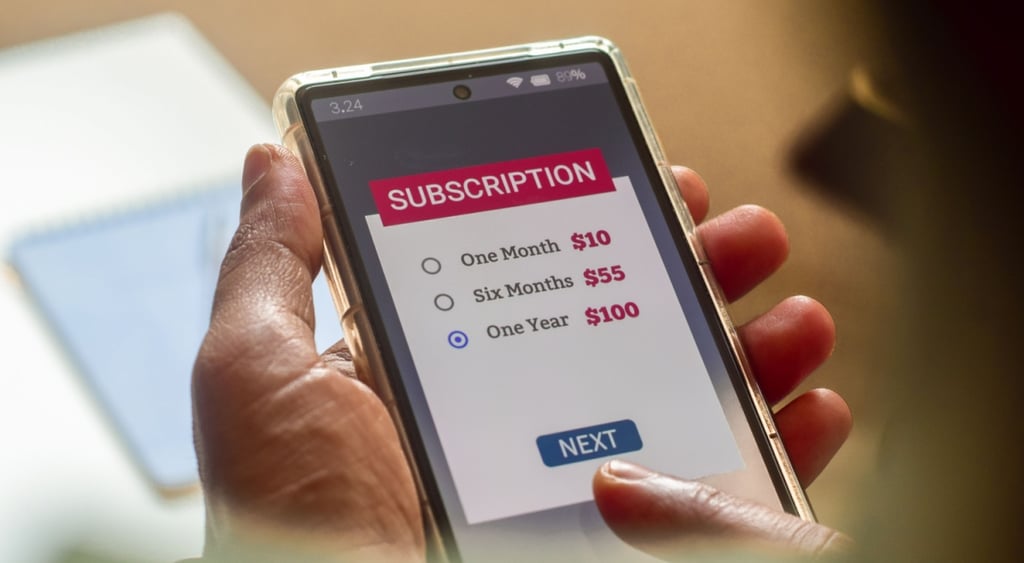
This is a common refrain on Reddit: “I wouldn’t mind paying for news if there was some way of paying for access to news and different sites opted in and you could pay once for access to any site that was part of that network. But I’m not going to subscribe and pay for 30 different sites.”
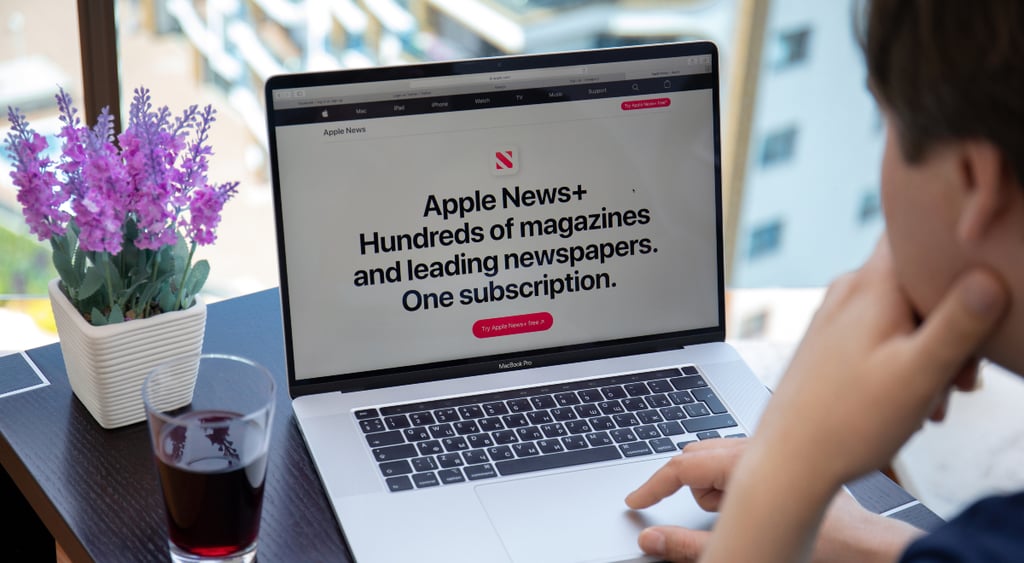
To be fair, though, subscribing to hundreds of outlets through a single fee is already widely available. Apple News+ includes content from many top newspapers and news magazines and costs $12.99 a month.
The conversation on this topic is live. Join in the discussion.
PressReader unlocks more than 7,000 publications but is pricier, charging $30 every month. You can also choose one (or all) of Magzter’s 9,500 publications – that’s only $74.99 a year at the moment.
Obviously, not paying at all is a seemingly obvious option. But then one becomes dependent on the likes of YouTube, Facebook, or a total mess that used to be called Twitter and is now X – that’s where outrage porn always wins out over measured analysis and nuance.
“Journalism is paywalled. Propaganda is free. It’s a huge factor in how we got to where we are today,” a Reddit user said while another pointed out that a lot of conservative sites like Breitbart, Daily Mail, or Fox News are freely available.
“Sure, they have ads but you can still view their content. People wonder why conservatives are winning the information face: doesn’t really if paywalled sites are more accurate if no one can get to them without paying,” the user wrote.
Pay for time spent only
Flexibility is key, though. According to Erick McAfee, director of growth at digital content monetization platform Supertab, some people don’t want to subscribe but still don’t mind paying.
“People need a flexible, frictionless way to be able to unlock content for a nominal fee, which is beneficial to both the end user and the creator,” McAfee told Cybernews, adding that to the younger generation, the idea of being tied down to a subscription is foreign.
The idea behind Supertab is to allow users to pay, say, a dollar for the ability to unlock a publication site for a certain amount of time. There’s no need to subscribe: you just access the content for four hours, for example.
Some people don’t want to subscribe but still don’t mind paying.
“This allows you to not only check out the article you were originally interested in but also to potentially check out other pieces. This is beneficial for the creator because the longer you’re on the site, the more advertising revenue you generate for them,” explained McAfee.
“It might be a nominal fee but it’s at least something. Plus, there’s a substantial migration: almost 20% of people that use our service end up subscribing because it becomes more economic. When you pay $6 in a single week through Subertab, you then realize it’s only $8 a month to subscribe.”
The platform, adds McAfee, is even generating ad revenue for the publishers, which was not their original goal. Hundreds of publications around the US are already working with the company.
It seems like Supertab is mostly beneficial to smaller local outlets that are having the worst time just surviving over the last few years. McAfee is aware, though, that the media giants don’t need the micropayment option that much as of right now.
“The larger publications are sticking to the subscriptions and rightfully so, based on the fact that The New York Times or The Washington Post tend to have a cohort of people that are willing to subscribe based on the journalists that they have under their umbrella,” he told Cybernews.
Still, even Pew makes it clear that “metered and flexible paywalls outperform hard blocks” – as does the ability to subscribe and unsubscribe in a single click, for example. When you have to call to cancel, the jury is usually in, and the decision isn’t pretty.
Unlock more exclusive Cybernews content on YouTube